
The Soul of Timber: Why Wood Outperforms Plastic in the Modern Ocean
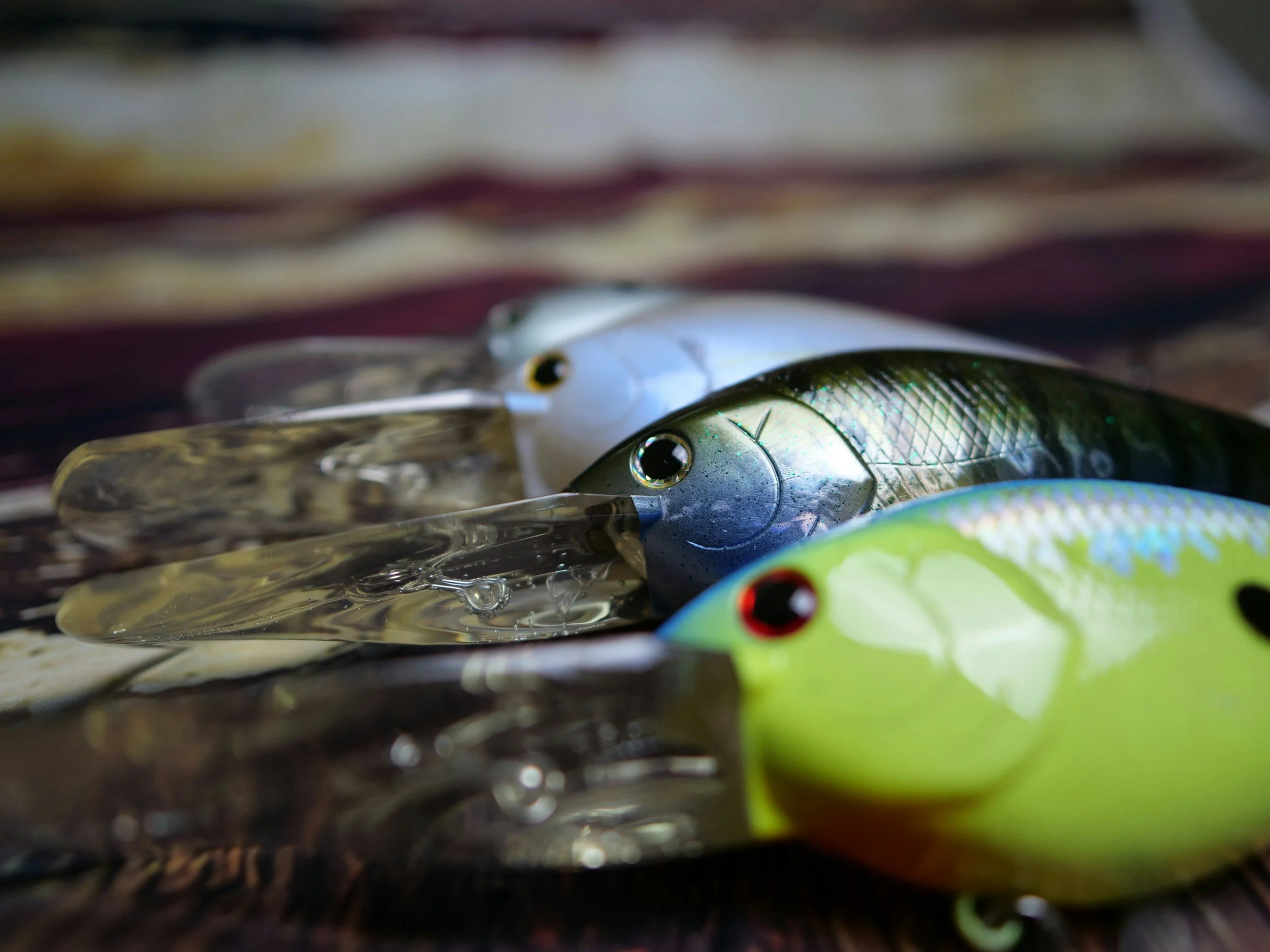
For decades, the global tackle box has been dominated by "The Plastic Revolution." High-end Japanese lures like the Duo Realis or the Jackson Pintail have set the standard for aero-dynamics and finish. But as we move toward a "No-Trace" future, the elite angling community is rediscovering a truth that old-school artisans never forgot: Plastic has a ceiling, but Timber has a soul.
At Akira Tackles, our shift toward handcrafted wooden lures isn't just a nod to tradition—it’s a calculated move for both the planet and the podium.
The Hidden Cost of the "Hollow" Lure
Mass-produced hard-body lures are essentially two halves of injection-molded plastic sonically welded together. When a lure like a Duo Realis is lost to a snag or a snap-off, it becomes a permanent piece of "ghost gear." Over time, the sun and salt break that plastic down into microplastics—toxic particles that enter the food chain, bio-accumulating in the very apex predators we pursue.
In contrast, a handcrafted wooden lure is organic. While we use premium, durable coatings to ensure longevity, the core material is earth-born. Should the unthinkable happen and a line breaks, you aren't leaving a synthetic "forever-toxin" in the reef.
The "Puncture" Paradox: Why Wood is Tougher
Anglers often mistake plastic for being more "durable." Experience tells a different story. If you’ve ever thrown a Halco Roosta or similar hollow-body poppers at a pack of aggressive GTs or Mackerel, you’ve seen the failure point. One powerful crush from a set of jaws can puncture the plastic shell. Once that vacuum seal is broken, the lure takes on water, loses its balance, and eventually sinks—becoming a useless piece of debris.
A wooden lure is solid-core. Even after a brutal season of "battle scars" and deep tooth marks, a timber popper maintains its structural integrity. It cannot be "punctured" because there is no hollow air chamber to fail. It stays afloat, it stays in the strike zone, and it stays in your kit for years, not just one trip.
Superior Buoyancy and "Life"
From a performance standpoint, wood offers a natural buoyancy that plastic cannot replicate. Plastic lures rely on trapped air to float, resulting in a "static" buoyancy. Wood, specifically sustainable hardwoods like Paulownia, has an active, "springy" buoyancy.
In top-water applications, this allows for a more responsive "hang-time" and a unique acoustic resonance. The "thud" of a wooden popper moving water is lower in frequency and more natural than the "clack" of plastic, often triggering strikes from pressured fish that have seen every mass-produced lure in the book.
The Akira Standard
Choosing timber isn't about being "retro"; it's about Material Innovation. By choosing Akira’s handcrafted timber over synthetic alternatives, you are choosing a more tactile "feel," a more durable tool, and a cleaner ocean.
High Performance. Low Impact. That is the Legacy Cast.